

Maintaining a comfortable home in Wheeling and the Chicagoland area requires a hard-working HVAC system that can handle everything from sweltering humidity to sub-zero winters. However, many homeowners and property managers unknowingly make small maintenance errors that lead to massive energy bills and premature equipment failure.
At Mechanical Management & Design Solutions (MMDS), we believe that education is the first step toward efficiency. By identifying these common pitfalls, you can protect your investment and keep your home cozy year-round without overpaying the utility companies.
Are you forgetting to change your air filters every month?
Yes, neglecting your air filters is the most common reason for HVAC inefficiency and avoidable repairs. A clogged filter restricts airflow, forcing your system to work significantly harder and consume more electricity to circulate air through your home.
When air cannot flow freely through your system, the internal components, especially the blower motor and the compressor, experience extreme stress. This doesn't just raise your monthly bills; it leads to "short-cycling," where the system turns on and off too frequently, and can even cause your AC installation and replacement coils to freeze over.
To prevent this, schedule a reminder to check your filters every 30 days. If you have pets, high-pile carpet, or live near construction in the Chicagoland area, you may need to replace them even more frequently. A clean filter ensures that the air you breathe is healthy and that your system remains in peak operating condition.

Is skipping your annual professional tune-up costing you more in the long run?
Absolutely, because a professional inspection identifies minor issues before they escalate into expensive emergency breakdowns. Annual maintenance ensures that every component is cleaned, lubricated, and calibrated for maximum performance and safety.
Many homeowners view a tune-up as an optional expense, but it is actually a cost-saving measure. During a professional visit, a technician from Mechanical Management & Design Solutions (MMDS) will check refrigerant levels, tighten electrical connections, and inspect the heat exchanger for cracks. For those with specialized systems, our experts also handle heater installation and replacement and comprehensive boiler inspections to ensure winter readiness.
Think of it like an oil change for your car; skipping it might save you a few dollars today, but it could cost you a new engine, or in this case, a new furnace, tomorrow. Regular service also validates your manufacturer's warranty, which often requires proof of professional maintenance to cover parts.
Why is blocking your vents and registers a bad idea for energy savings?
Blocking vents creates a pressure imbalance in your ductwork that can damage your blower motor and cause air leaks. Your HVAC system is designed to move a specific volume of air, and restricting that flow forces the system to work against its own design.
It is a common myth that closing vents in unused rooms saves money. In reality, modern HVAC systems are balanced to provide consistent pressure throughout the house. When you close a vent or cover a register with a rug or furniture, the air pressure builds up inside the ducts. This can cause the blower motor to overheat and may actually lead to leaks in your ductwork, where conditioned air escapes into your attic or crawlspace.
Ensure that all supply vents and return air grilles are clear of obstructions. Take a moment to walk through your home and move any curtains, sofas, or decorative items that might be hindering the air path.
How does neglecting your outdoor unit impact your cooling efficiency?
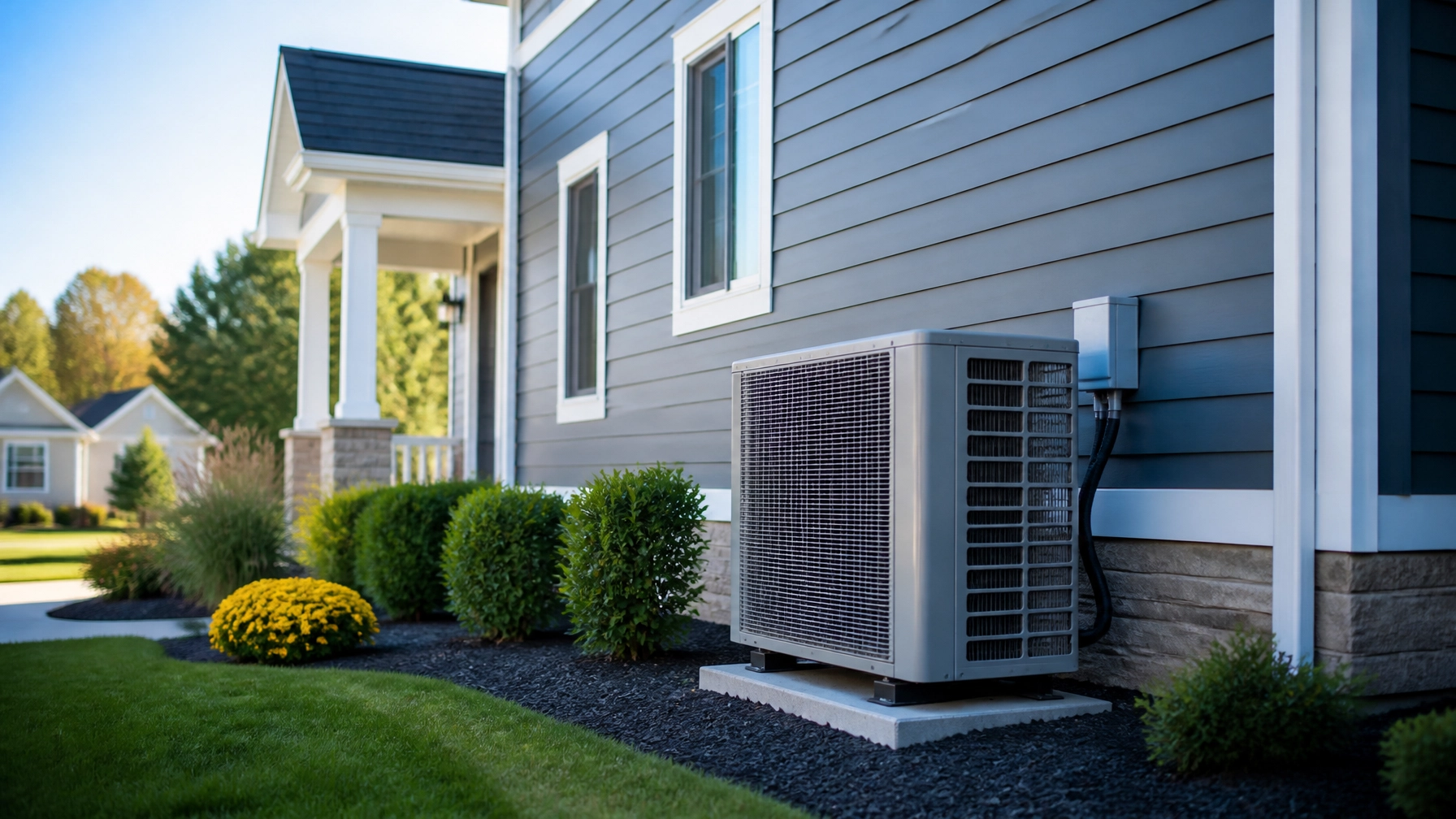
An outdoor unit clogged with leaves, grass clippings, or debris cannot effectively release heat, leading to higher energy consumption and potential system failure. The outdoor condenser unit requires clear space and clean coils to exchange heat between your home and the outside air.
In the Chicagoland area, cottonwood seeds, fall leaves, and lawn debris are constant threats to your outdoor equipment. When the thin metal fins on your condenser unit become "matted" with dirt, the system has to run longer to achieve the same cooling effect. This extra runtime translates directly into higher utility costs.
Keep a three-foot "clear zone" around your outdoor unit. Trim back bushes, pull weeds, and never stack firewood or outdoor equipment against the unit. If the coils look dirty, do not attempt to pressure wash them yourself, as high-pressure water can bend the delicate fins; instead, Call or Text MMDS at (847) 221-6280 for a professional cleaning.

Can using the "wrong" high-efficiency air filter actually hurt your system?
Yes, using a filter with a MERV rating that is too high for your specific system can restrict airflow almost as much as a dirty filter. While high-MERV filters are great for air quality, they are often too dense for older residential blowers to push air through effectively.
MERV stands for Minimum Efficiency Reporting Value. A higher number means the filter catches smaller particles, but it also creates more "static pressure" or resistance. If your system wasn't designed for a high-MERV filter, you might notice weak airflow from your vents and a system that runs constantly without reaching the desired temperature.
Always check your manufacturer’s specifications or consult with a pro before upgrading to a heavy-duty allergen filter. We often recommend a mid-range MERV 8 to 11 filter for most Chicagoland homes to balance air purity with equipment longevity.
Why should you avoid DIY repairs on complex HVAC components?
Attempting to fix refrigerant leaks, electrical wiring, or gas components yourself can lead to safety hazards, voided warranties, and even more expensive damage. HVAC systems involve high-voltage electricity, combustible gases, and pressurized chemicals that require specialized training and tools to handle safely.
A small mistake during a DIY repair can lead to a house fire or carbon monoxide leak. Furthermore, if you are experiencing electrical issues like tripped breakers or flickering lights when the AC kicks on, you may need professional electrical services to upgrade your panel or dedicated circuits.
By hiring a licensed professional from Mechanical Management & Design Solutions (MMDS), you ensure the job is done right the first time. We have the diagnostic equipment to pinpoint the exact failure, saving you from the "parts-swapping" guessing game that often makes DIY projects more expensive than professional service.
Are you ignoring unusual noises and performance changes?
Ignoring new sounds like squealing, banging, or buzzing is a mistake because these are early warning signs of mechanical failure. Addressing a noisy belt or a loose fan blade immediately is far cheaper than replacing a motor that has completely seized.
If you notice that one room is suddenly much warmer than others, or if you smell a "metallic" or "burning" odor, your system is trying to tell you something is wrong. These performance changes usually indicate that a part is failing or that your system is leaking refrigerant.
Don't wait for a total system failure on the hottest day of the year. Treat these signs as a priority and schedule a diagnostic visit. Preventive action is the most effective way to avoid the stress and high cost of emergency replacement.

Frequently Asked Questions About HVAC Maintenance
How often should I have my HVAC system professionally serviced?
You should schedule professional maintenance at least twice a year: once in the spring for your air conditioning and once in the fall for your heating system. This ensures each system is ready for the extreme seasonal shifts in the Chicagoland area.
Can I clean my own HVAC coils?
While you can gently brush away loose leaves and debris from the outside of the unit, we recommend professional cleaning for the internal coils. Using the wrong chemicals or too much water pressure can permanently damage the unit.
Why is my energy bill so high if my system is running?
High bills usually indicate that your system is losing efficiency. This is often caused by dirty filters, low refrigerant, or a failing component that is forcing the system to run longer cycles to maintain the temperature.
How long does a typical residential HVAC system last?
In Wheeling and the surrounding suburbs, a well-maintained system typically lasts between 15 and 20 years. However, without regular maintenance, that lifespan can drop to 10 years or less.
Upgrade Your Comfort and Save with MMDS
If you're upgrading your HVAC system, help yourself and make sure the equipment you are purchasing qualifies for one of these discounts:
- Up to $900 on < 2.5 tons, ≥ 15.2 SEER2, ≥ 9.4 EER2, ≥ 8.1 HSPF2
- Up to $1,400 on ≥ 2.5 tons, ≥ 15.2 SEER2, ≥ 9.4 EER2, ≥ 8.1 HSPF2
- Up to $1,500 on < 2.5 tons, ≥ 17 SEER2, ≥ 9.4 EER2, ≥ 8.5 HSPF2
- Up to $2,000 on ≥ 2.5 tons, ≥ 17 SEER2, ≥ 9.4 EER2, ≥ 8.5 HSPF2
Discount with ENERGY STAR® certified smart thermostat:
- Up to $975 on < 2.5 tons, ≥ 15.2 SEER2, ≥ 9.4 EER2, ≥ 8.1 HSPF2
- Up to $1,475 on ≥ 2.5 tons, ≥ 15.2 SEER2, ≥ 9.4 EER2, ≥ 8.1 HSPF2
- Up to $1,575 on < 2.5 tons, ≥ 17 SEER2, ≥ 9.4 EER2, ≥ 8.5 HSPF2
- Up to $2,075 on ≥ 2.5 tons, ≥ 17 SEER2, ≥ 9.4 EER2, ≥ 8.5 HSPF2
To apply for these discounts, Call or Text MMDS at (847) 221-6280. Our team will help you select the eligible equipment and handle the necessary documentation to ensure you receive your savings. Whether you need a routine tune-up or a full system replacement, Mechanical Management & Design Solutions (MMDS) is your trusted partner for comfort in Wheeling and the Chicagoland area.