

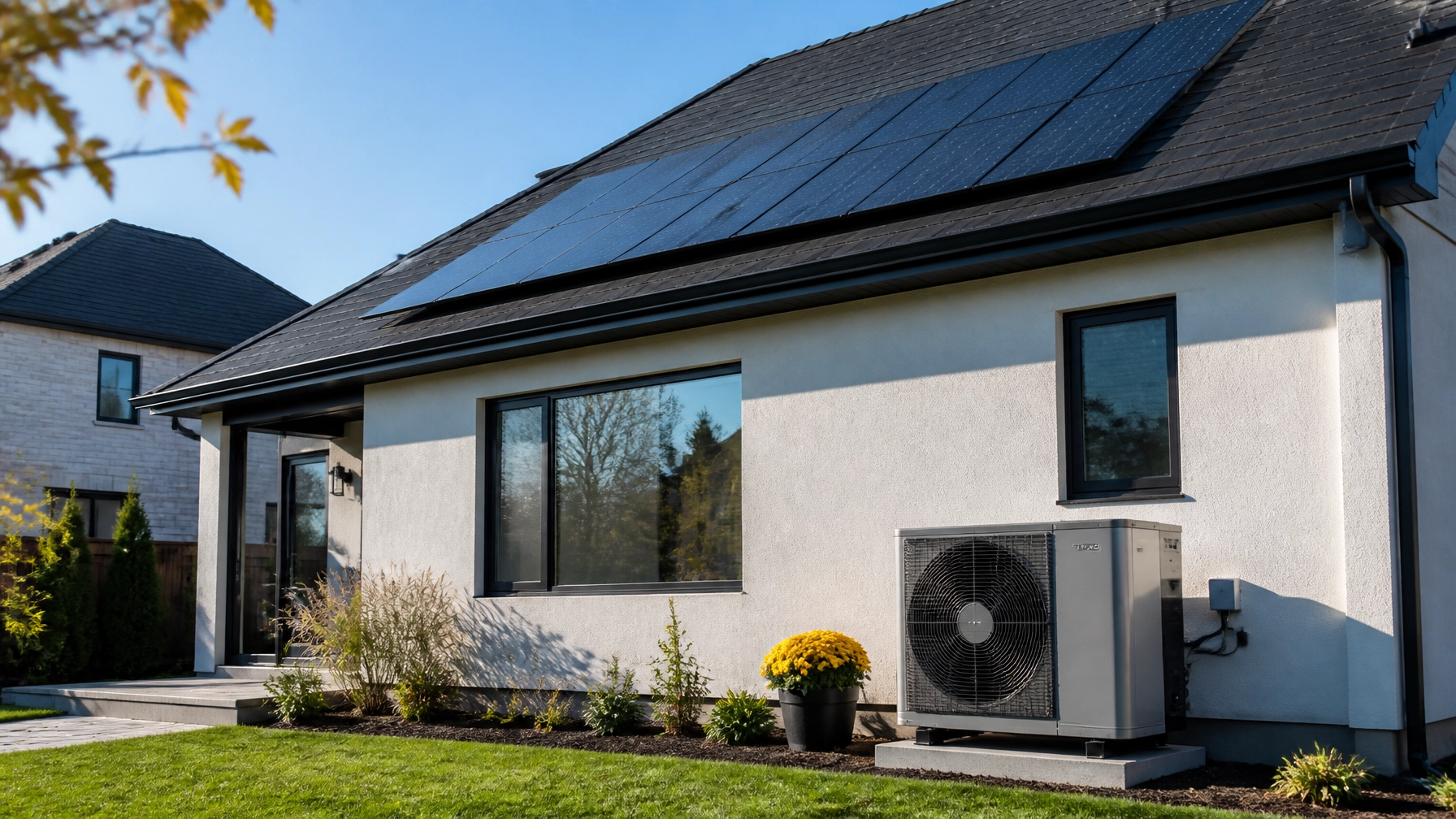
Achieving a "net-zero" home, a residence that produces as much energy as it consumes, is a growing goal for environmentally conscious homeowners across the Midwest. In our unique climate, where temperatures swing from humid summer highs to bone-chilling winter lows, reaching this milestone requires a strategic approach to heating, cooling, and power generation.
At Mechanical Management & Design Solutions (MMDS), we specialize in helping homeowners in Wheeling and the Chicagoland area navigate these complex system integrations. By combining high-efficiency heat pump technology with residential solar power, you can dramatically reduce your carbon footprint and eliminate your monthly utility bills.
What is a net-zero home in the Chicago climate?
A net-zero home in Chicago is a residence designed to offset its total annual energy consumption through on-site renewable energy generation, typically solar panels. This is achieved by combining a highly insulated "building envelope" with fully electrified HVAC systems, like cold-climate heat pumps, to minimize energy waste.
In the Chicagoland area, the journey to net-zero begins with efficiency. Because our winters are long and cold, the average home consumes a significant amount of energy for space heating. To balance this with solar power, the home must first be made "tight." This involves professional air sealing, high-performance insulation, and energy-efficient windows to ensure that the heat generated stays inside. Once the demand for energy is lowered, we can then look at the supply, transitioning away from natural gas to electricity, which can be powered by the sun.
Why are heat pumps the best choice for solar-powered homes?
Heat pumps are the ideal partner for solar energy because they run entirely on electricity and are significantly more efficient than traditional electric resistance heaters or gas furnaces. By using electricity to "move" heat rather than "create" it, heat pumps allow solar arrays to cover the home's entire heating and cooling load with a smaller number of panels.
When you install a heat pump, you are essentially installing a two-in-one system that provides both heating and air conditioning. Unlike a gas furnace, which requires a fossil fuel connection, a heat pump draws power from your home’s electrical panel. When that panel is fed by solar energy, your HVAC system effectively runs for free. Furthermore, modern inverter-driven heat pumps can vary their speed to match the exact heating or cooling needs of your home, preventing the large "spikes" in energy usage common with older, single-stage units.

Can a heat pump handle a Wheeling winter?
Yes, modern cold-climate heat pumps are specifically engineered to provide reliable heat even when outdoor temperatures drop as low as -15°F or further. These units utilize advanced compressors and refrigerants to extract heat from the freezing outdoor air, ensuring your home stays comfortable during the harshest Illinois winters.
A common misconception in the Midwest is that heat pumps only work in mild climates. While this was true decades ago, today’s "cold-climate" models are game-changers for the Chicagoland market. For homeowners who want extra peace of mind, we often recommend a "dual-fuel" or "hybrid" setup, where a heat pump is paired with a high-efficiency gas furnace that only kicks in during extreme polar vortex events. However, for a true net-zero home, a high-performance, all-electric heat pump is the standard, often supported by electric backup heat strips for emergencies.
How do you size a solar array for your HVAC needs?
Sizing a solar array for HVAC requires calculating your home’s total annual kilowatt-hour (kWh) usage after electrification and then designing a system that produces that exact amount of energy over 12 months. This process accounts for "net metering," where you overproduce energy in the summer to "bank" credits with the utility company for use during the darker winter months.
Because a heat pump will increase your home’s electricity consumption (as it replaces gas heating), your solar designer and HVAC contractor must work together. At MMDS, we help homeowners understand their projected electrical load so they don't undersize their solar investment. In Wheeling, we benefit from Illinois’ net metering policies, which allow your solar panels to generate excess power during sunny July days to offset the energy your heat pump will use in January.

What steps are needed to transition to a net-zero home?
The transition starts with a professional energy audit to identify leaks and insulation gaps, followed by upgrading to a cold-climate heat pump and heat pump water heater. Finally, a solar PV system is installed and integrated with your electrical services to power these high-efficiency appliances.
- Energy Audit & Sealing: Ensure your home isn't "leaking" the air you just paid to heat or cool.
- HVAC Electrification: Schedule a heat pump installation to replace your aging furnace and AC.
- Water Heating: Switch to a heat pump water heater, which is up to three times more efficient than standard electric tanks.
- Solar Installation: Install solar panels sized for your new, all-electric load.
- Smart Controls: Use a smart thermostat to optimize energy usage based on peak solar production times.
Are there specific equipment requirements for energy efficiency?
To maximize savings and achieve net-zero status, equipment must meet high SEER2 (Seasonal Energy Efficiency Ratio) and HSPF2 (Heating Seasonal Performance Factor) ratings. High-performance systems typically feature SEER2 ratings of 17 or higher and HSPF2 ratings of 8.5 or higher to ensure the lowest possible energy draw.
When selecting equipment, it is vital to look at the "Efficiency Tier." Higher-tier equipment not only uses less energy but also provides superior comfort through better humidity control and more consistent temperatures. Furthermore, choosing the right equipment can significantly reduce the upfront cost of your upgrade through manufacturer and utility-specific discounts.

Take the Next Step Toward Energy Independence
Integrating solar and heat pumps is the most effective way to protect yourself from rising energy costs while improving the comfort of your home. Whether you are starting with a single AC replacement or planning a full net-zero conversion, our team is here to guide you.
Mechanical Management & Design Solutions (MMDS) is proud to serve Wheeling and the Chicagoland area with expert HVAC and electrical services. We ensure your systems are installed correctly, maintained for longevity, and optimized for maximum efficiency.
Call or Text MMDS at (847) 221-6280 today to schedule your consultation.
Exclusive Equipment Discounts for Chicagoland Homeowners
If you're upgrading your HVAC system, help yourself and make sure the equipment you are purchasing qualifies for one of these discounts:
- Up to $900 on < 2.5 tons, ≥ 15.2 SEER2, ≥ 9.4 EER2, ≥ 8.1 HSPF2
- Up to $1,400 on ≥ 2.5 tons, ≥ 15.2 SEER2, ≥ 9.4 EER2, ≥ 8.1 HSPF2
- Up to $1,500 on < 2.5 tons, ≥ 17 SEER2, ≥ 9.4 EER2, ≥ 8.5 HSPF2
- Up to $2,000 on ≥ 2.5 tons, ≥ 17 SEER2, ≥ 9.4 EER2, ≥ 8.5 HSPF2
Discount with ENERGY STAR® certified smart thermostat:
- Up to $975 on < 2.5 tons, ≥ 15.2 SEER2, ≥ 9.4 EER2, ≥ 8.1 HSPF2
- Up to $1,475 on ≥ 2.5 tons, ≥ 15.2 SEER2, ≥ 9.4 EER2, ≥ 8.1 HSPF2
- Up to $1,575 on < 2.5 tons, ≥ 17 SEER2, ≥ 9.4 EER2, ≥ 8.5 HSPF2
- Up to $2,075 on ≥ 2.5 tons, ≥ 17 SEER2, ≥ 9.4 EER2, ≥ 8.5 HSPF2
How to Apply:
To apply for these discounts, Call or Text MMDS at (847) 221-6280. Our team will help you select the eligible equipment and handle the necessary documentation to ensure you receive your savings.