

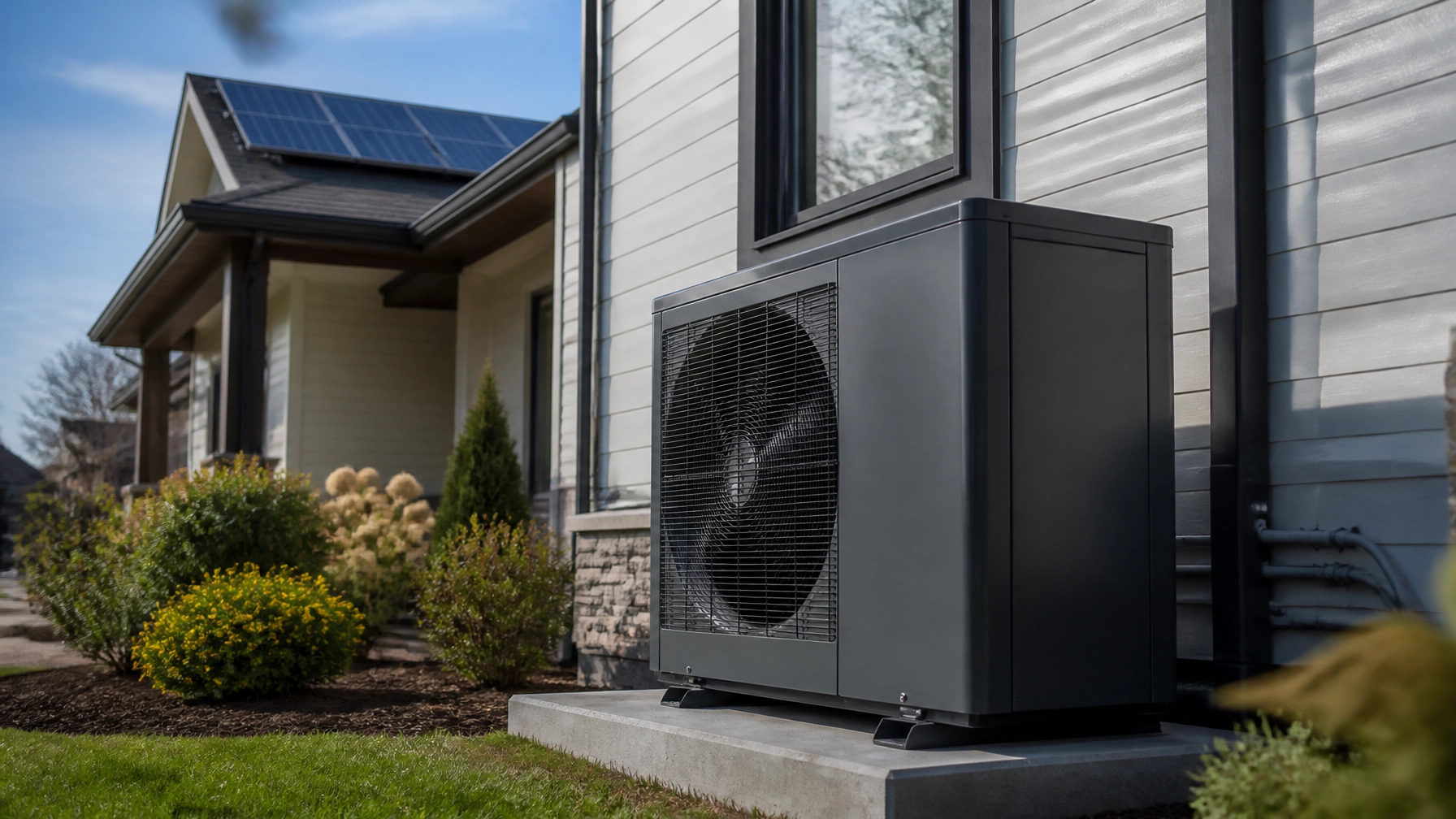
For homeowners in Wheeling and the Chicagoland area, the quest for energy independence and lower utility bills often leads to a two-pronged solution: solar power and high-efficiency HVAC systems. While solar panels capture clean energy from the sun, a modern heat pump is the most efficient way to use that energy for year-round comfort. Integrating these two technologies allows you to create a self-sustaining ecosystem that slashes your reliance on fossil fuels and protects you from rising energy costs.
At Mechanical Management & Design Solutions (MMDS), we specialize in helping local residents navigate the transition to all-electric or hybrid heating and cooling. By combining solar generation with advanced heat pump technology, you can achieve a home that is as sustainable as it is comfortable.
What is the benefit of pairing a heat pump with a solar array?
Pairing a heat pump with solar panels allows you to power your home’s heating and cooling using the free, renewable energy generated on your roof. This synergy significantly reduces or even eliminates monthly utility costs while maximizing the return on your solar investment.
When you install a solar array, you are essentially pre-paying for your electricity for the next 25 years. However, if your home still uses natural gas for heating, you remain tied to fluctuating fuel prices and carbon emissions. By upgrading to an electric heat pump, you shift your largest energy load, HVAC, onto your solar system.
A heat pump is remarkably efficient because it moves heat rather than creating it. During the summer, it acts as an ultra-efficient AC installation and replacement solution, pulling heat out of your home. In the winter, it reverses the process to bring heat indoors. When this process is powered by solar energy, your operating costs drop to nearly zero during peak production months.

(Prompt for image: High-resolution photograph of a professional HVAC technician in a clean uniform inspecting a residential outdoor heat pump unit. The setting is a neat suburban backyard in the Chicagoland area. Soft, natural lighting with a professional and approachable feel. Shallow depth of field.)
Can a heat pump keep a Chicagoland home warm in sub-zero temperatures?
Yes, modern cold-climate heat pumps are engineered to provide reliable heat even when outdoor temperatures drop as low as -15°F. For the extreme cold snaps common in Chicago, many homeowners choose a "dual-fuel" system that pairs a heat pump with a high-efficiency gas furnace for backup.
Older generations of heat pumps were notorious for losing efficiency when the thermometer dipped below freezing. However, the industry has seen massive technological leaps. Today’s cold-climate models utilize variable-speed compressors and advanced refrigerants to extract heat from the outside air even in the middle of a Wheeling winter.
When we perform a heater installation and replacement, we often recommend a hybrid approach for this region. In this setup, the heat pump handles the heating for the majority of the season, which is much more cost-effective when powered by solar, and a backup furnace only kicks in during those rare, extreme "Polar Vortex" events. This ensures 100% reliability without sacrificing the energy savings of your solar-and-heat-pump combo.
How many solar panels do you need to power an HVAC system?
While requirements vary based on home size and insulation, the average Chicago home typically needs between 6 to 10 additional solar panels to fully offset the electricity used by a whole-home heat pump. An energy audit and professional load calculation are necessary to determine the exact sizing for your specific property.
Before integrating these systems, it is crucial to ensure your home’s electrical infrastructure is ready. Our team at MMDS often works alongside solar installers to assess electrical services and panel capacity. If your current electrical panel is at its limit, an upgrade may be required to handle the increased load of an all-electric HVAC system.
Integrating solar and HVAC is not just about adding more panels; it is about efficiency. We recommend focusing on "envelope" improvements first, such as sealing air leaks and upgrading insulation. The more efficient your home is at retaining heat, the smaller (and more affordable) your heat pump and solar array can be.

(Prompt for image: A bright, comfortable living room in a modern Chicago home during a sunny winter day. A person is sitting on a sofa reading. On the wall, a modern, sleek smart thermostat is clearly visible, displaying a comfortable temperature. The lighting is warm and inviting, with cool winter light coming through the window.)
Is a dual-fuel system better for Chicago homes with solar?
A dual-fuel system is often the most pragmatic choice for Chicagoland residents because it offers a "safety net" for the coldest days while still allowing solar panels to power the home's cooling and moderate-weather heating. This configuration balances maximum energy savings with total peace of mind during extreme weather.
In a dual-fuel (or hybrid) configuration, the system automatically switches between the electric heat pump and a gas furnace based on the outdoor temperature. Since Illinois has many days in the 30s and 40s during the shoulder seasons, the heat pump can do the heavy lifting using your solar-generated power.
When the sun is shining in February, your solar panels are producing electricity that your heat pump can immediately turn into warmth. If a blizzard hits and production drops while temperatures plummet, the gas furnace provides a reliable, high-output heat source. This flexibility makes it one of the most popular heater installation and replacement choices in our service area.
How do you start integrating these systems in Wheeling?
To start, you should schedule a comprehensive HVAC and electrical assessment to determine your home’s current energy profile and equipment compatibility. Contacting a professional team like MMDS ensures that your new heat pump is correctly sized to work in harmony with your solar production and electrical capacity.
The integration process usually follows these steps:
- Energy Audit: Identify where your home is losing energy.
- Load Calculation: Determine the exact heating and cooling needs of your space.
- Electrical Review: Ensure your electrical services can support a high-efficiency heat pump.
- System Selection: Choose a heat pump or hybrid system that qualifies for local rebates and aligns with your solar output.
- Professional Installation: Ensure the unit is installed to manufacturer specifications for maximum longevity.
Taking these steps ensures that you don’t overspend on an oversized system or end up with a unit that doesn't provide enough comfort during a humid Chicago summer.

(Prompt for image: Close-up photograph of a clean, professionally organized residential electrical panel and a modern solar inverter mounted on a wall in a well-lit utility room. The wiring is neat and professional. Neutral tones with industrial grey and white, accented by small green and yellow indicator lights.)
Frequently Asked Questions
Do heat pumps provide cooling as well as heating?
Yes. A heat pump is essentially an air conditioner that can run in reverse. During the summer, it provides top-tier AC installation and replacement performance by moving heat out of your home. In the winter, it reverses the flow of refrigerant to bring heat in.
Will solar panels work during a Chicago winter?
Yes, solar panels still generate electricity on cold, sunny days. In fact, solar panels are actually more efficient in cooler temperatures, though the shorter daylight hours in winter mean overall production is lower than in the summer. This is why many people opt for a hybrid system to ensure consistent heating.
Is maintenance different for a solar-integrated heat pump?
The maintenance for the heat pump itself is similar to traditional HVAC systems, requiring annual tune-ups to ensure efficiency and equipment longevity. You should also ensure your solar panels are kept clear of heavy snow accumulation to maintain production during the winter months.
How long do heat pumps usually last?
With regular professional maintenance, a high-quality heat pump typically lasts 15 to 20 years. Because these systems run year-round (providing both heating and cooling), keeping up with scheduled service is vital to protecting your investment.
Can I add a heat pump if I already have solar panels?
Absolutely. If you already have solar, adding a heat pump is one of the best ways to utilize your excess generation. We can help you determine if your current solar array provides enough power or if you should consider high-efficiency equipment to stay within your energy "budget."
Take Control of Your Home Energy Today
If you are ready to maximize your solar investment and enjoy a more comfortable, efficient home, the experts at Mechanical Management & Design Solutions (MMDS) are here to help. We provide expert service across Wheeling and the Chicagoland area, ensuring your HVAC system is perfectly tuned for our unique climate.
Call or Text MMDS at (847) 221-6280 to schedule a consultation.
If you're upgrading your HVAC system, help yourself and make sure the equipment you are purchasing qualifies for one of these discounts:
- Up to $900 on < 2.5 tons, ≥ 15.2 SEER2, ≥ 9.4 EER2, ≥ 8.1 HSPF2
- Up to $1,400 on ≥ 2.5 tons, ≥ 15.2 SEER2, ≥ 9.4 EER2, ≥ 8.1 HSPF2
- Up to $1,500 on < 2.5 tons, ≥ 17 SEER2, ≥ 9.4 EER2, ≥ 8.5 HSPF2
- Up to $2,000 on ≥ 2.5 tons, ≥ 17 SEER2, ≥ 9.4 EER2, ≥ 8.5 HSPF2
Discount with ENERGY STAR® certified smart thermostat:
- Up to $975 on < 2.5 tons, ≥ 15.2 SEER2, ≥ 9.4 EER2, ≥ 8.1 HSPF2
- Up to $1,475 on ≥ 2.5 tons, ≥ 15.2 SEER2, ≥ 9.4 EER2, ≥ 8.1 HSPF2
- Up to $1,575 on < 2.5 tons, ≥ 17 SEER2, ≥ 9.4 EER2, ≥ 8.5 HSPF2
- Up to $2,075 on ≥ 2.5 tons, ≥ 17 SEER2, ≥ 9.4 EER2, ≥ 8.5 HSPF2
To apply for these discounts, Call or Text MMDS at (847) 221-6280. Our team will help you select the eligible equipment and handle the necessary documentation to ensure you receive your savings.