

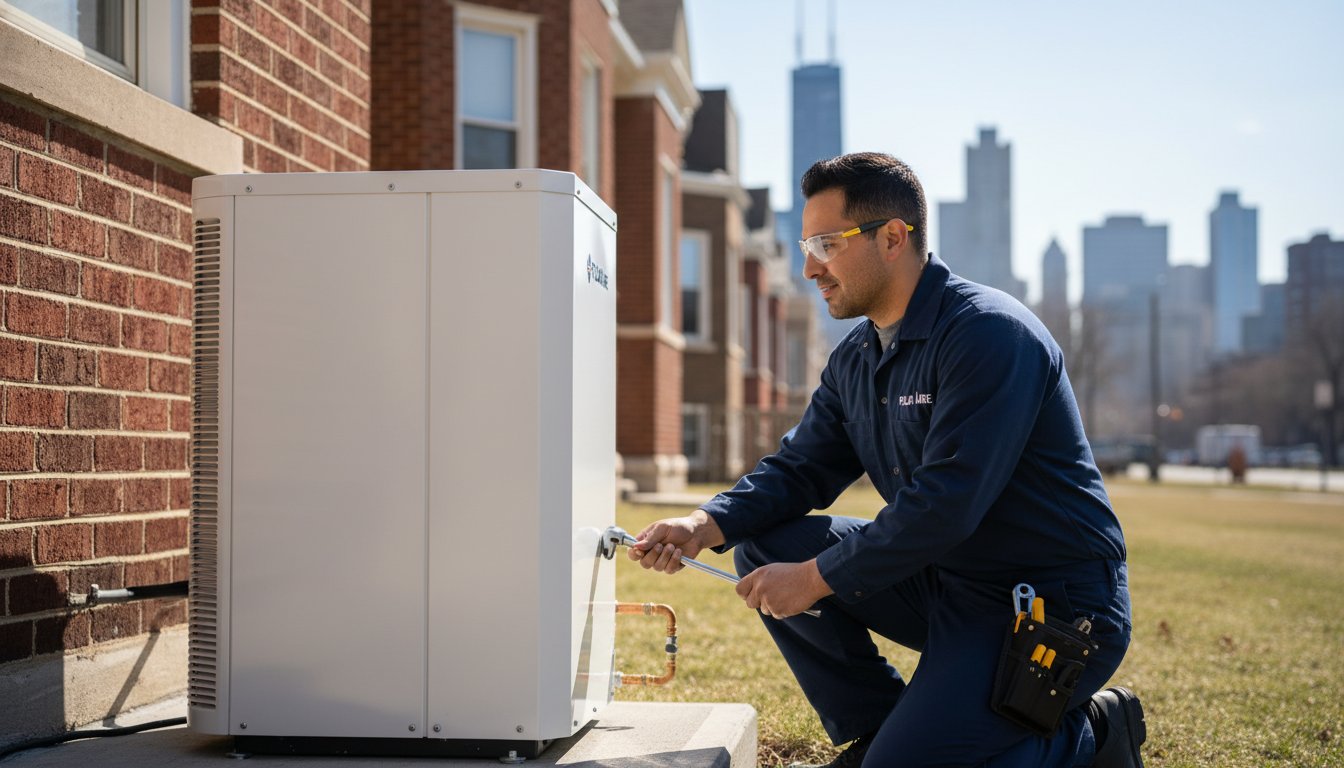
The $2,000 federal tax credit you were counting on for your heat pump replacement officially expired on December 31, 2025. While that might feel like a setback, the 2026 market for Chicago homeowners actually offers more efficiency and local savings than ever before. You’ve likely noticed your utility bills climbing during our brutal winters, or perhaps you’re worried your current system won’t survive the next deep freeze. We understand that keeping a multi-story home comfortable in Cook County requires more than just standard equipment; it requires a climate-resilient strategy.
You deserve a home that stays warm without draining your bank account or failing when you need it most. This guide will show you how to navigate the 2026 Illinois Stretch Energy Code and secure ComEd rebates of up to $2,000. We’ll walk you through selecting high-efficiency systems using R-32 refrigerant and explain how our century of combined experience ensures your services are done right the first time for 25 years of reliable comfort.
Key Takeaways
- Identify the specific performance failures in Chicago homes that indicate your current unit is nearing the end of its functional lifespan.
- Compare air-source and ground-source systems to determine which high-efficiency model best fits your Chicagoland lot and heating requirements.
- Learn why a precise Manual J Load Calculation is the most critical step for a successful heat pump replacement in multi-story residences.
- Evaluate your electrical panel capacity to ensure your home is ready for the higher loads required by modern electrification.
- Discover how a century of combined local expertise provides the peace of mind that your new system will be installed right the first time.
Signs Your Chicago Home Needs Heat Pump Replacement
Living in the Chicago area means your HVAC system faces some of the most punishing temperature swings in the country. One week it’s a humid 95°F, and the next, a polar vortex brings sub-zero winds off Lake Michigan. If you’ve called for repairs more than twice in the last two seasons, your system is likely struggling to keep up with these shifts. While many national manufacturers suggest a generic lifespan of 12 years, the reality in Cook County is that internal components wear down much faster due to these extreme demands. Understanding what a heat pump is and how it transfers energy helps clarify why older units lose their mechanical edge as they age. When a system begins “short cycling,” or turning on and off rapidly during peak July humidity, it’s a clear signal that the compressor or sensors are failing. This constant starting and stopping doesn’t just hurt your indoor comfort; it spikes your monthly ComEd bill even when you haven’t touched the thermostat.
The 15-Year Threshold for Midwest Systems
Most units installed around 2010 were built to different standards than those required today. By 2026, SEER2 regulations have pushed efficiency requirements much higher, making older 13 SEER units look like relics. If your system has crossed the 15-year mark, you’re likely paying for “sunk costs” with every repair. A $500 fix on a 16-year-old unit is often a wasted investment when a total heat pump replacement could reduce your energy consumption by up to 40%. We’ve seen that systems in the Chicago suburbs often age 25% faster than those in milder climates because they never truly get a “season off” due to our dual-season demands.
Evaluating Performance During a Deep Freeze
Chicago winters are the ultimate test for any residential mechanical system. If your home feels chilly once the thermometer drops below 20°F, your heat pump might be relying too heavily on its auxiliary electric heat strips. This is a common warning sign of failing internal reversing valves or refrigerant leaks. Older units often develop micro-fractures in their copper coils due to the constant vibration of high-speed fans battling 40 mph wind chills. If you hear grinding noises from the outdoor cabinet or notice thick ice buildup that doesn’t melt during a standard defrost cycle, it’s time to consult a professional. These issues rarely resolve themselves and typically lead to total system failure during the coldest night of the year. Investing in a timely heat pump replacement ensures you aren’t left in a dangerous “no-heat” situation when the next blizzard hits.
Selecting the Best Heat Pump for Chicagoland’s Climate
While older models struggled when the mercury dropped, modern technology has shifted the conversation for homeowners considering a heat pump replacement. In the past, heat pumps were often viewed as “Southern” solutions. The introduction of Cold Climate Heat Pumps (CCHP) has redefined winter comfort in the Midwest. Choosing the right system isn’t just about picking a brand; it’s about matching the mechanical specs to Chicago’s specific 100-degree annual temperature swing. We’ve found that a “one size fits all” approach leads to uneven heating in those classic multi-story Chicago homes, which is why a localized strategy is essential.
Cold Climate Heat Pumps vs. Standard Units
Cold Climate Heat Pumps are advanced systems engineered with variable-speed inverters that maintain high heating capacities even when outdoor temperatures plummet to -15°F. Unlike standard units that rely on inefficient electric “toaster” coils once it hits 30°F, CCHPs use variable-speed compressors to modulate energy use. This precision is why we emphasize HSPF2 (Heating Seasonal Performance Factor) ratings over SEER2 for our local clients. A high HSPF2 rating ensures your system isn’t overworking during a February blizzard, which is the primary driver of those high utility bills we all dread. If you’re unsure which configuration fits your home’s layout, our team can help you evaluate your HVAC options to ensure year-round reliability.
For many homeowners in Cook County, the decision between air-source and ground-source comes down to the lot size. While ground-source systems can reduce energy costs by up to 60%, they require significant excavation and space for loop fields. Most Chicago residential lots are better suited for high-efficiency air-source units, which provide a 40% saving over traditional systems without the need for a massive yard. We focus on matching system capacity to your specific square footage to prevent the “short cycling” that wears out components prematurely.
The Hybrid Advantage: Heat Pump + Furnace
A hybrid or “dual-fuel” system remains a premier choice for total peace of mind in Northern Illinois. This setup pairs your heat pump replacement with a high-efficiency gas furnace. When temperatures drop into the extreme negatives, a smart thermostat automatically switches to gas heat, ensuring you’re never left in the cold. It’s a logical remedy for older homes that already have existing gas infrastructure. While the 25C Federal tax credits for air-source systems expired on December 31, 2025, you can still maximize your investment through ComEd rebates. As of May 2026, Tier 2 qualifying systems can earn you up to $2,000 back, provided the unit meets the ≥ 17 SEER2 and ≥ 8.5 HSPF2 standards.

Investing in Efficiency: Replacement Costs & Chicago Rebates
Budgeting for a heat pump replacement in Cook County involves more than just the equipment price tag. For a professional installation in the Chicago area, homeowners typically see total costs ranging from $5,900 to $25,000. This wide range accounts for system capacity, efficiency ratings, and necessary ductwork modifications. You should also factor in local compliance costs; an HVAC permit from the Chicago Department of Buildings currently ranges from $300 to $5,000 depending on the project’s complexity. While these upfront figures might seem high, the long-term ROI is driven by substantial energy savings and aggressive local utility incentives available throughout 2026.
Understanding how to select the right heat pump is the first step in maximizing your financial return. While the federal 25C tax credit for air-source systems expired on December 31, 2025, geothermal heat pump installations still qualify for the 25D Residential Clean Energy Credit, which provides a 30% tax credit with no dollar limit through 2032. For most Chicago residents, the most immediate savings come through local utility programs that reward high-efficiency choices.
Navigating Local Utility Incentives
ComEd offers significant rebates for qualifying systems installed between January 1 and December 31, 2026. These are structured into two performance tiers. Tier 1 systems, meeting 15.2 SEER2 and 8.1 HSPF2 standards, qualify for up to $1,400. Tier 2 systems, which require at least 17 SEER2 and 8.5 HSPF2, offer a more substantial rebate of up to $2,000. To ensure you don’t leave money on the table, you must use a certified contractor who understands the specific filing requirements for these local programs. Stacking these with a $75 rebate for an ENERGY STAR smart thermostat can further lower your initial investment.
Long-term Energy Savings in the Midwest
Switching to a modern air-source heat pump can reduce your heating and cooling energy costs by approximately 40% compared to traditional systems. In Illinois, the cost per BTU for electricity has become increasingly competitive with natural gas, especially as gas infrastructure fees rise. Modern 2026 heat pump units utilize inverter-driven technology to draw power gradually, which effectively reduces peak demand charges on your monthly electric statement. Beyond the monthly bill, the “smart” diagnostic features in premier units help our technicians identify potential issues before they lead to emergency outages. This proactive approach saves you from the “emergency repair” premium that often hits during Chicago’s harshest weather cycles.
The Replacement Process: Professional Installation in Chicago
Executing a successful heat pump replacement in the Chicago area requires a methodical approach that goes beyond simply swapping out a box. Because our local housing stock ranges from 1920s brick bungalows to modern high-rise condos, a standardized installation doesn’t work. Our process is designed to handle these architectural nuances while ensuring full compliance with the 2026 Illinois Stretch Energy Code. We follow a strict five-step protocol to guarantee that your investment delivers the efficiency promised on the box.
- Manual J Load Calculation: We perform a detailed analysis of your home’s thermal envelope to determine the exact BTU requirements.
- Electrical Infrastructure Audit: Our technicians verify if your existing service can handle the increased load of a high-efficiency heat pump.
- Permit Acquisition: We manage the filing with the Chicago Department of Buildings to ensure all safety and mechanical codes are met.
- Mechanical Execution: This includes the eco-friendly recovery of old refrigerants and the precision placement of the new outdoor and indoor units.
- Calibration and Handover: We fine-tune the airflow and train you on the smart controls for maximum year-round comfort.
Why Manual J Sizing is Non-Negotiable
Many contractors rely on “rules of thumb” based on square footage, but this leads to massive errors in Chicago. An oversized unit will cycle on and off too quickly during our humid July afternoons, failing to remove moisture and leaving your home feeling clammy. For vintage Chicago bungalows, we must account for original lath-and-plaster walls and varying insulation levels that significantly impact heat loss. We also inspect your existing ductwork to ensure it can handle the higher static pressure required by modern high-efficiency blowers. If you’re ready to start with a professional assessment, you can schedule a load calculation with our specialists today.
Electrical Upgrades and Local Codes
Transitioning to a fully electric heating system often requires more power than older 100-amp panels can provide. If your heat pump replacement involves a high-capacity cold-climate model, a 200-amp electrical panel upgrade is frequently a necessary prerequisite. Chicago building codes are notoriously specific regarding outdoor unit placement; for instance, units must maintain specific clearances from property lines and gas meters to pass inspection. Our commitment to “Services Done Right The First Time” means we handle these technical hurdles upfront. We ensure all wiring meets the latest safety standards, which is critical for passing the rigorous inspections mandated by Cook County authorities. This seasoned capability helps lower your anxiety, knowing your system is both safe and legally compliant.
Why MEMASO is Chicago’s Trusted Heat Pump Specialist
Choosing a partner for your heat pump replacement shouldn’t be a source of anxiety. At Mechanical Management & Design Solutions (MEMASO), we bring nearly twenty-five years of direct local market experience to every project we handle in the Chicago area. Our team possesses over 100 years of combined industry expertise, allowing us to function as technical consultants rather than just standard service providers. We understand the specific mechanical demands of Cook, Lake, and DuPage counties because we’ve lived and worked here for decades. We don’t just swap out units; we design climate-resilient systems that are built to last through the most punishing Illinois winters. This stable, knowledgeable approach is what distinguishes us from newer competitors who may not understand the nuances of local building codes.
Our “Seasoned Professional” Approach
Our background in design-build construction services gives us a unique edge in the residential market. We apply the same level of technical precision required for large-scale institutional facilities, such as hospitals and retail centers, to your home’s HVAC system. This ensures that every duct connection, electrical circuit, and refrigerant line meets our “Services Done Right The First Time” standard. By focusing on high-efficiency replacements, we help our neighbors lower their monthly bills and reduce their carbon footprints simultaneously. This seasoned capability helps lower customer anxiety regarding complex home repairs. You can learn about our commercial HVAC expertise to see how our large-scale capabilities translate into residential reliability and long-term peace of mind.
Start Your Chicago Heat Pump Project Today
The path to a more comfortable home begins with a comprehensive energy audit and a precise Manual J load calculation. We’ll evaluate your current system’s performance and provide a detailed heat pump replacement quote that identifies exactly where you can save on energy costs. Our team also guides you through the application process for ComEd rebates, ensuring you maximize your return on investment. We offer flexible financing options to make these essential modern HVAC upgrades more accessible for local families. Beyond the installation, we provide 24/7 emergency support to ensure you’re never left without heat during a deep freeze. Our reputation for excellence is built on safety, transparency, and a commitment to neighborly service. When you’re ready to upgrade your comfort, schedule your heat pump replacement consultation with MEMASO and experience the difference that a century of combined experience makes.
Take Control of Your Home’s Energy Future
Upgrading your HVAC system in 2026 is about more than just avoiding a breakdown during a Lake Michigan blizzard. By acting now, you can secure ComEd rebates of up to $2,000 for Tier 2 systems and ensure your home meets the latest Illinois Stretch Energy Code standards. Transitioning to a cold-climate unit solves the persistent problem of uneven heating in multi-story Chicago homes while cutting seasonal energy costs by up to 40%. A professional heat pump replacement is a long-term investment in your family’s safety and financial peace of mind.
With over 100 years of combined experience and a commitment to services done right the first time, MEMASO provides the technical expertise needed for these complex mechanical upgrades. We offer 24/7 emergency support to ensure your comfort is never compromised by extreme weather. Don’t wait for your current unit to fail during a deep freeze. Get Your Professional Chicago Heat Pump Replacement Quote today and join the thousands of Cook County homeowners who trust our seasoned professionals. You deserve a home that is reliable, efficient, and perfectly tuned for the unique Chicago climate.
Frequently Asked Questions
Do heat pumps really work in Chicago winters?
Yes, modern cold-climate heat pumps are engineered to provide reliable heat even when outdoor temperatures drop to -15°F. These units use variable-speed compressors to extract heat from frigid air more effectively than models built just a decade ago. While standard units might struggle below freezing, the CCHP technology we install ensures your home stays comfortable during a typical Chicago polar vortex without relying solely on expensive backup heat.
How much can I save with a heat pump replacement in Illinois?
You can expect to save approximately 40% on your annual energy costs when you opt for a high-efficiency heat pump replacement. Air-source systems are significantly more efficient than traditional gas furnaces or older electric heaters. If your property allows for a ground-source system, your utility savings could reach as high as 60% according to Department of Energy statistics for the Midwest region.
How long does a typical heat pump replacement take?
Most residential installations are completed within 1 to 2 business days. The timeline depends on whether we need to perform ductwork modifications or an electrical panel upgrade to meet the 2026 Illinois Stretch Energy Code. We prioritize a methodical approach to ensure every connection is sealed and calibrated correctly, which prevents the need for follow-up adjustments after we leave your property.
Will I need to upgrade my electrical panel for a new heat pump?
A 200-amp panel upgrade is often necessary for Chicago homes transitioning from gas heat to a high-capacity electric system. Many vintage bungalows in Cook County still operate on 100-amp service, which doesn’t have the headroom for modern HVAC loads. We’ll assess your current electrical infrastructure during the initial consultation to ensure your home can safely support your new high-efficiency equipment.
What is the difference between a standard heat pump and a hybrid system?
A hybrid system combines an electric heat pump with a gas furnace, while a standard system is usually all-electric. The hybrid approach is popular in Chicago because it uses the heat pump for moderate temperatures and switches to gas during rare -20°F nights. This dual-fuel strategy provides total peace of mind for homeowners who want the efficiency of electricity with the raw power of gas for extreme cold.
Are there specific rebates for Chicago residents in 2026?
ComEd currently offers two tiers of rebates for Chicago residents through December 31, 2026. Tier 1 systems qualify for up to $1,400, while Tier 2 high-efficiency models can earn you a rebate of up to $2,000. You can also claim an additional $75 for installing an ENERGY STAR smart thermostat, provided the work is performed by a certified contractor familiar with local utility requirements.
How do I know if my existing ductwork is compatible with a new unit?
We use a static pressure test and a Manual J load calculation to determine if your existing ducts can handle a new unit’s airflow. Older ductwork in multi-story Chicago homes is often undersized for modern high-efficiency blowers. If your ducts are too small, the system will work harder and fail sooner, which is why we verify these specs before starting any installation project.
What maintenance is required after a heat pump replacement?
Professional maintenance should be performed twice a year to keep your system running at peak efficiency. After a heat pump replacement, it’s vital to clear debris from the outdoor cabinet and check refrigerant levels before the summer and winter peaks. Regular service helps your equipment reach its maximum 25-year lifespan and prevents the 2% annual efficiency loss common in neglected mechanical systems.