

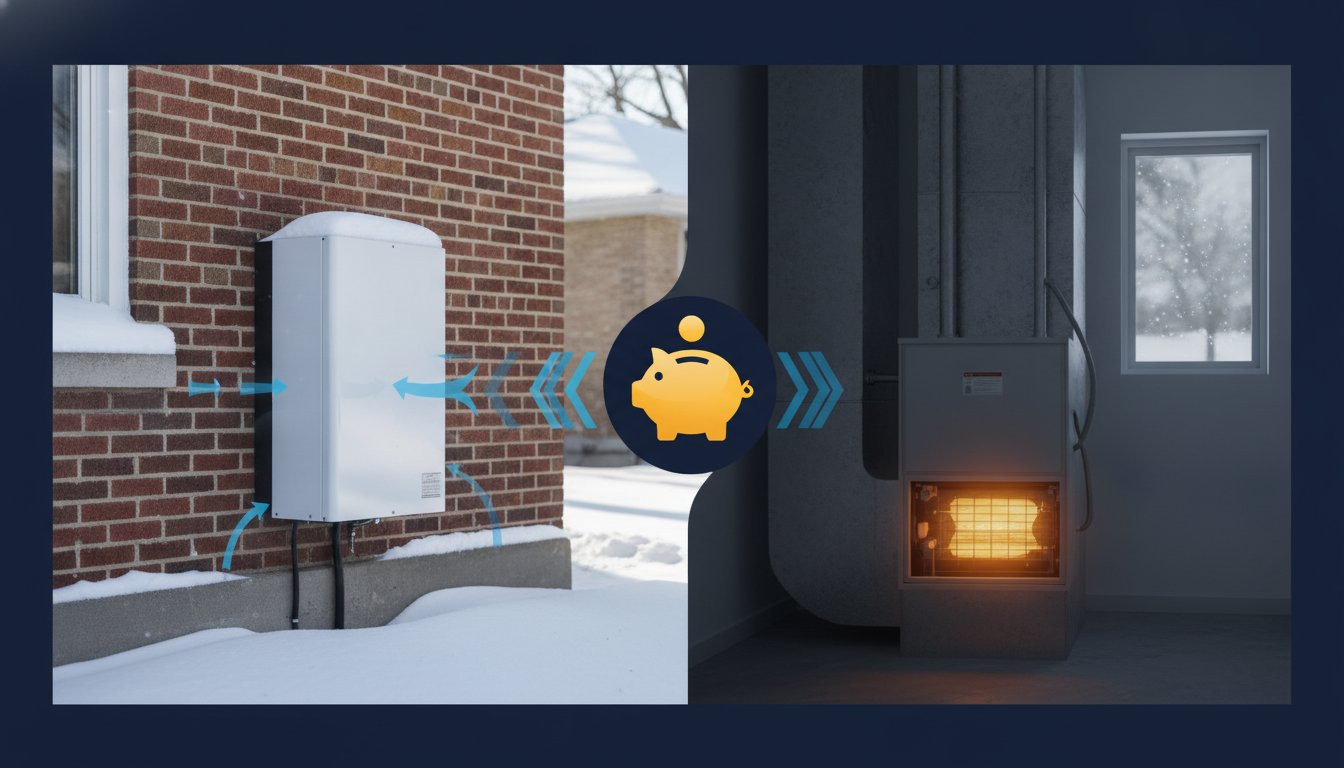
Choosing between a high-efficiency heat pump and a traditional gas furnace used to be a simple decision based on the price of natural gas, but in 2026, sticking with a single-fuel system might be the most expensive mistake you make for your home. If you’re watching your Peoples Gas rates climb while worrying if an all-electric system can actually handle a January polar vortex, your concerns are completely valid. We understand that balancing the heat pump vs furnace cost Chicago homeowners face requires more than just looking at a price tag; it requires a deep understanding of our local climate and shifting utility structures.
You deserve a heating system that provides peace of mind during sub-zero nights without draining your bank account every month. This guide will help you navigate the real-world operational costs of both systems, including the impact of the 10.629¢ per kWh ComEd rates and the 36 cents per therm Nicor gas supply charges. We’ll show you how to maximize the $2,000 ComEd rebates now that federal tax credits have expired, and why a dual-fuel hybrid approach is often the most reliable way to achieve long-term savings and comfort in the Windy City.
Key Takeaways
- Compare equipment premiums for cold-climate heat pumps against high-efficiency gas furnaces to find your ideal baseline investment.
- Analyze how a 300% Coefficient of Performance (COP) offsets rising natural gas costs to lower your monthly utility expenditure.
- Determine if a dual-fuel hybrid system is the most cost-effective way to manage the heat pump vs furnace cost Chicago residents face during extreme winters.
- Navigate the 2026 rebate landscape to secure up to $2,000 in ComEd utility incentives for your next HVAC installation.
- Calculate the total 10-year cost of ownership for your home by evaluating your building envelope and long-term system reliability.
Upfront Investment: Heat Pump vs. Furnace Installation in Chicago
The initial price tag is often the first hurdle when comparing a heat pump vs furnace cost Chicago homeowners must evaluate. A standard 80% AFUE gas furnace remains the baseline for many local properties, offering a familiar technology with a lower entry point. However, modern efficiency standards often push residents toward 95% AFUE models, which require specialized PVC venting. While these furnaces are efficient, they don’t offer the cooling versatility of a heat pump. Understanding how a heat pump works is essential here; these systems move heat rather than generating it, which requires more sophisticated components than a simple gas burner.
In our local climate, a standard heat pump isn’t enough. Chicago’s sub-zero winters require Cold-Climate Heat Pumps (CCHP). These units carry a significant equipment premium because they utilize variable-speed inverters and advanced refrigerants to extract warmth even when it’s -13°F outside. While a furnace is a single-purpose heating tool, the heat pump replaces both your furnace and your air conditioner. This dual-purpose nature justifies a higher upfront investment, but it also means you’re maintaining one complex system instead of two separate ones.
Architecture plays a massive role in labor costs across the city. Installing a system in a classic brick bungalow in Jefferson Park is a different project than a modern build in Bucktown. Older homes often have tight crawlspaces or attic configurations that complicate the installation of high-efficiency units. We’ve seen that the “hidden” costs of a furnace often lie in the chimney liner or new venting paths, while the hidden costs of a heat pump are almost always found in the electrical closet.
Electrical Infrastructure and Panel Upgrades
Many of Chicago’s historic bungalows still operate on 100-amp electrical service. This is rarely sufficient for a modern heat pump, especially when you factor in the auxiliary heat strips required for extreme cold. Switching to electric heating often triggers the need for a 200-amp service upgrade to ensure your home remains safe and compliant with local codes. Our electrical team streamlines this process, handling the panel upgrade alongside the HVAC installation. This prevents the frustration of hiring multiple contractors and ensures your new system has the dedicated circuits it needs to run reliably during a deep freeze.
Ductwork and Ventilation Requirements
Ductwork is the circulatory system of your home, and it must be sized correctly for your chosen technology. Heat pumps typically require higher airflow volumes than older gas furnaces to distribute heat effectively. If your existing ducts are undersized, you might experience noisy operation or uneven temperatures. For homes currently using boilers and radiators, the transition is more complex. Retrofitting a home for forced air involves significant carpentry and plaster work to hide new duct runs. If your home uses a high-efficiency furnace, we must also ensure the PVC venting meets current Chicago building codes, which are stricter than those for older atmospheric venting systems.
Operational Costs: Monthly Savings and Energy Efficiency
While the installation price is a one-time hurdle, your monthly utility bill is a recurring reality that dictates the true value of your HVAC system. Many Chicago residents are feeling the squeeze of recent Peoples Gas rate hikes, which have significantly altered the financial landscape. This shift makes the heat pump vs furnace cost Chicago homeowners evaluate much more than just the sticker price. It’s about how much of your hard-earned money disappears into the vents every January.
A gas furnace is physically limited by its AFUE rating; even a top-tier model won’t exceed 99% efficiency. In contrast, heat pumps operate on a Coefficient of Performance (COP). A COP of 3.0 means that for every unit of electricity the system consumes, it delivers three units of heat. This 300% efficiency is possible because the system moves existing heat rather than creating it from combustion. For 2026, pay close attention to SEER2 (cooling) and HSPF2 (heating) ratings. These updated testing standards provide a more accurate picture of how equipment performs in the varying humidity and temperature swings of the Midwest.
Natural Gas vs. Electricity Price Trends in Illinois
Gas prices in Illinois can be volatile during peak winter months. While the current Nicor gas supply charge sits at 36 cents per therm, delivery fees and seasonal adjustments often cause total costs to spike unexpectedly. Electricity isn’t immune to change, but ComEd’s effective residential rate of 10.629¢ per kWh often offers a more predictable baseline for budgeting. Electrification is a growing trend that can bolster long-term property value as buyers increasingly prioritize sustainable infrastructure. You can verify which models qualify for state-level support through the Illinois ENERGY STAR® Appliance Rebate Program.
Maintenance and System Longevity
A high-efficiency furnace typically offers a lifespan of 15 to 20 years. Modern heat pumps generally fall in the 15-year range. Since a heat pump works year-round for both heating and cooling, it performs significantly more mechanical work than a furnace that sits idle all summer. This makes annual professional inspections non-negotiable for system health. If you’re transitioning from a radiator-based home, you’ll find that forced-air maintenance differs greatly from professional boiler maintenance, which focuses on water chemistry and heat exchangers. Keeping your system tuned ensures you don’t lose your efficiency gains to mechanical friction or clogged filters. If you’re unsure where your current system stands, our team can help you evaluate your heating performance before the next cold snap hits.

The Chicago Hybrid Solution: Solving the Extreme Cold Objection
Many online discussions suggest that heat pumps simply can’t handle a Chicago winter. While that might have been true for older technology, the reality in 2026 is much more nuanced. The most effective way to manage the heat pump vs furnace cost Chicago homeowners face is through a “Dual-Fuel” or hybrid system. This configuration pairs a high-efficiency electric heat pump with a gas furnace backup. It’s a strategic partnership that uses the most efficient tool for the job based on the current outdoor temperature.
These systems operate using a “balance point” setting. For about 85% of our heating season, temperatures stay above 25 degrees. During these periods, the heat pump is incredibly efficient, moving heat into your home for a fraction of the cost of burning fuel. When the temperature drops below that predetermined balance point, the system automatically switches to the gas furnace. This ensures you have the intense, reliable heat needed during a polar vortex without overworking your electrical components or sacrificing indoor comfort.
A hybrid setup provides a level of versatility that single-fuel systems lack. By using electricity when it’s mild and gas when it’s bitter, you avoid the highest price tiers of both utilities. It’s a pragmatic approach that acknowledges Chicago’s extreme climate while still prioritizing modern efficiency and carbon reduction.
Cold-Climate Heat Pump (CCHP) Technology
Modern CCHPs utilize vapor-injection compressors to stay functional in extreme conditions. Unlike a standard air conditioner that just runs in reverse, a CCHP is engineered with variable-speed inverters that can maintain significant heat output even when it’s -15°F outside. We carefully calculate the specific tonnage for your Chicago home to match its unique heating load. This precision prevents the system from short-cycling during the fall while ensuring it has enough “oomph” to keep you warm through a typical January night.
Redundancy and Peace of Mind
There’s an undeniable comfort in having two ways to heat your home. In suburbs like Skokie and Glenview, we’ve installed hybrid systems that offer true redundancy. If there’s a mechanical issue with one component, the other can often act as a temporary life raft. Modern building automation systems now optimize this switch with surgical precision. We’ve seen case studies in Glenview homes where homeowners achieved consistent comfort levels by letting the heat pump handle the shoulder seasons, effectively bypassing the most expensive gas delivery months while keeping the furnace ready for the true deep freeze.
Rebates, Tax Credits, and 2026 Financial Incentives
Understanding the financial landscape of home heating has changed significantly as we move through 2026. For many years, federal tax credits were the primary driver for high-efficiency upgrades, but the expiration of the Section 25C credit on December 31, 2025, has shifted the focus toward local utility programs. This transition is a key factor in the heat pump vs furnace cost Chicago homeowners must calculate today. While the loss of federal credits might seem like a setback, ComEd has stepped up with robust incentives that often provide more immediate relief than a tax-season refund.
The current ComEd ‘Smart Ideas’ program offers tiered rebates that can reach up to $2,000 for qualifying high-efficiency heat pump systems. These incentives are structured based on the heating capacity, or tonnage, of the unit you install. By choosing a system that meets these efficiency thresholds, you can offset a substantial portion of the equipment premium. Additionally, if you install an ENERGY STAR smart thermostat alongside your new heat pump, you’re eligible for an extra $75 incentive, helping you manage your energy use with even greater precision and reliability.
Maximizing the Inflation Reduction Act in 2026
While the direct 25C tax credit for equipment has expired, other parts of the Inflation Reduction Act continue to influence the local market. Illinois is currently working through the final approval stages for the Home Electrification and Appliance Rebates (HEAR) and Homeowner Managing Energy Savings (HOMES) programs. As of June 2026, these state-administered programs are pending final DOE approval. Once launched, they’ll offer point-of-sale discounts specifically for low and moderate-income households. We recommend keeping meticulous documentation of your installation, including model numbers and efficiency ratings, to ensure you’re ready to claim any retroactive benefits that may arise as these state programs go live.
Local Utility and Manufacturer Rebates
ComEd’s instant discounts for Tier 1 and Tier 2 systems remain the most reliable way to lower your upfront costs. These are often applied directly by your contractor, meaning you don’t have to wait months for a check in the mail. We also see seasonal promotions from major manufacturers that can be stacked with utility incentives, sometimes reducing the total investment by 30% or more. If you’re concerned about the initial outlay, modern financing options allow you to spread the cost over several years. In many cases, the monthly energy savings from a high-efficiency system can nearly cover the payment. To see which specific rebates apply to your property, you can request a detailed installation quote from our experienced team today.
Decision Guide: Which System Is Right for Your Chicago Property?
Your home is a complex system, not just a collection of separate appliances. Before you decide on a specific unit, you must evaluate the thermal envelope of your property. Chicago’s historic greystones and brick bungalows often have unique insulation challenges that can undermine even the most efficient equipment. Determining the heat pump vs furnace cost Chicago families will pay over a decade requires looking past the initial invoice and considering the total cost of ownership. While a furnace has a lower entry price, a cold-climate heat pump provides both heating and cooling, effectively consolidating two replacement cycles into one. This long-term view often reveals that the higher upfront investment in electric technology pays for itself through reduced utility volatility and a significantly smaller carbon footprint.
Precision is the hallmark of a successful installation. Many contractors rely on “rule of thumb” estimates based on square footage, but this often leads to oversized systems that short-cycle or undersized units that fail during a cold snap. Utilizing professional design-build services ensures your system is tailored to the specific heat loss and gain of your rooms. This level of technical accuracy is what separates a frustrating, noisy system from one that provides consistent, whisper-quiet comfort throughout the year.
The 5-Point HVAC Audit
We recommend a methodical approach to choosing your next system. This audit helps eliminate guesswork and ensures your home is ready for modern technology:
- Step 1: Perform a Manual J load calculation. This technical assessment accounts for your windows, insulation levels, and local climate to find the exact BTU needs of your home.
- Step 2: Inspect the existing electrical panel. We verify if your current service can handle a heat pump or if an upgrade to 200-amp service is necessary for safety.
- Step 3: Evaluate the condition and size of current ductwork. Standard furnace ducts may need modifications to handle the specific airflow requirements of a heat pump.
- Step 4: Analyze the past 24 months of utility bills. This data identifies your actual consumption patterns and helps project future savings.
- Step 5: Assess the building envelope. Identifying air leaks or thin insulation ensures your new system doesn’t have to work harder than necessary.
Next Steps: Professional Consultation
Generic, one-size-fits-all quotes are the most common cause of underperforming HVAC systems. Every Chicago home has a different story, and your heating solution should reflect that. By integrating HVAC and electrical expertise, we provide a seamless path for homeowners looking to modernize their climate control without the headache of managing multiple subcontractors. Our team serves as a technical consultant, helping you weigh the pros and cons of hybrid systems versus all-electric configurations based on your specific goals. Scheduling a site visit is the most reliable way to receive a tailored cost-benefit analysis that accounts for your property’s unique architecture and your family’s comfort needs.
Secure Your Home’s Comfort for the Next Decade
Deciding on a new heating system is a significant investment in your home’s long-term safety and efficiency. We’ve explored how a hybrid dual-fuel approach offers a pragmatic solution for our local climate, providing the high-efficiency cooling and heating of a heat pump with the unwavering backup of a gas furnace. By addressing electrical infrastructure early and maximizing available utility rebates, you can significantly reduce your total cost of ownership while enhancing your indoor comfort.
Accurately weighing the heat pump vs furnace cost Chicago homeowners face requires a partner who understands both mechanical and electrical systems. With over 20 years of cumulative local experience, our integrated teams specialize in cold-climate heat pump technology and complex residential installations. We take the guesswork out of sizing and efficiency ratings to ensure your system performs exactly as promised. Don’t leave your winter comfort to chance or generic estimates. Get a Professional Heat Pump vs. Furnace Cost Analysis for Your Home today and take the first step toward a more reliable, efficient, and cost-effective home.
Frequently Asked Questions
Is a heat pump enough to heat a home in Chicago during a polar vortex?
Modern cold-climate heat pumps (CCHPs) can handle extreme cold, but we often recommend a hybrid system for total peace of mind. While CCHPs extract heat at temperatures as low as -15°F, Chicago’s polar vortex events can push equipment to its absolute limit. A hybrid configuration ensures you meet the City of Chicago’s heat ordinance requirements, which mandate indoor temperatures of at least 68°F during the day, regardless of how low the mercury drops outside.
How much can I save on my Chicago heating bill by switching to a heat pump?
Savings vary based on your home’s insulation and current utility rates, but the high efficiency of electric heating often lowers long-term expenses. With ComEd’s current rate of 10.629¢ per kWh and Nicor’s 36 cents per therm gas supply charge, a heat pump’s 300% efficiency can significantly offset the operational costs of traditional combustion. Evaluating the heat pump vs furnace cost Chicago homeowners pay monthly requires a custom analysis of your specific energy usage patterns and building envelope.
Do I need to keep my gas line if I install a heat pump?
You only need to keep your gas line if you choose a dual-fuel hybrid system. If you opt for an all-electric cold-climate heat pump with electric backup heat strips, you can fully decommission your gas service. However, many local residents prefer keeping the gas line for a hybrid setup. This provides a reliable secondary heat source during extreme weather and allows you to switch fuels based on which utility is more cost-effective at the time.
What is the average cost of a heat pump installation in Chicago in 2026?
The total investment for a new system depends on the equipment’s efficiency rating and the complexity of your home’s infrastructure. While cold-climate heat pumps carry a premium over standard furnaces, they replace both your heating and cooling systems. You should also factor in potential electrical panel upgrades and ductwork modifications. We provide detailed, transparent quotes that account for these variables to help you understand the full financial picture before work begins.
Are there specific Chicago city permits required for heat pump installation?
Yes, the City of Chicago requires a building permit for most HVAC installations, especially those involving new electrical or venting work. The minimum fee for a permit requiring drawings starts at $302, though the final cost often depends on the scope of the project. Our team handles the permitting process to ensure your installation complies with all local safety codes and remains eligible for utility rebates.
How long does it take to recoup the extra cost of a heat pump via energy savings?
Most homeowners see a return on their investment within five to ten years, though local rebates can accelerate this timeline. By utilizing the $2,000 ComEd heat pump rebate available in 2026, you can significantly lower the initial price gap. When you factor in the rising costs of natural gas delivery and the dual-purpose nature of the equipment, the long-term cost of ownership often favors high-efficiency electric or hybrid systems.
Can I use my existing furnace as a backup for a new heat pump?
It is often possible to pair a new heat pump with an existing furnace to create a hybrid system, provided the furnace is relatively modern and compatible. This “add-on” approach can be a cost-effective way to transition to electric heating without replacing a perfectly functional gas unit. We inspect your current equipment to ensure the blower motor and control board can communicate effectively with the new outdoor heat pump.
Does the 2026 tax credit apply to hybrid dual-fuel systems?
No federal tax credits are available for any heating systems in 2026. The federal Section 25C Energy Efficient Home Improvement Credit expired on December 31, 2025. Because of this, we encourage residents to focus on local utility incentives, such as the tiered ComEd rebates. These instant or mail-in discounts are currently the most effective way to reduce the upfront cost of your new climate control system.