

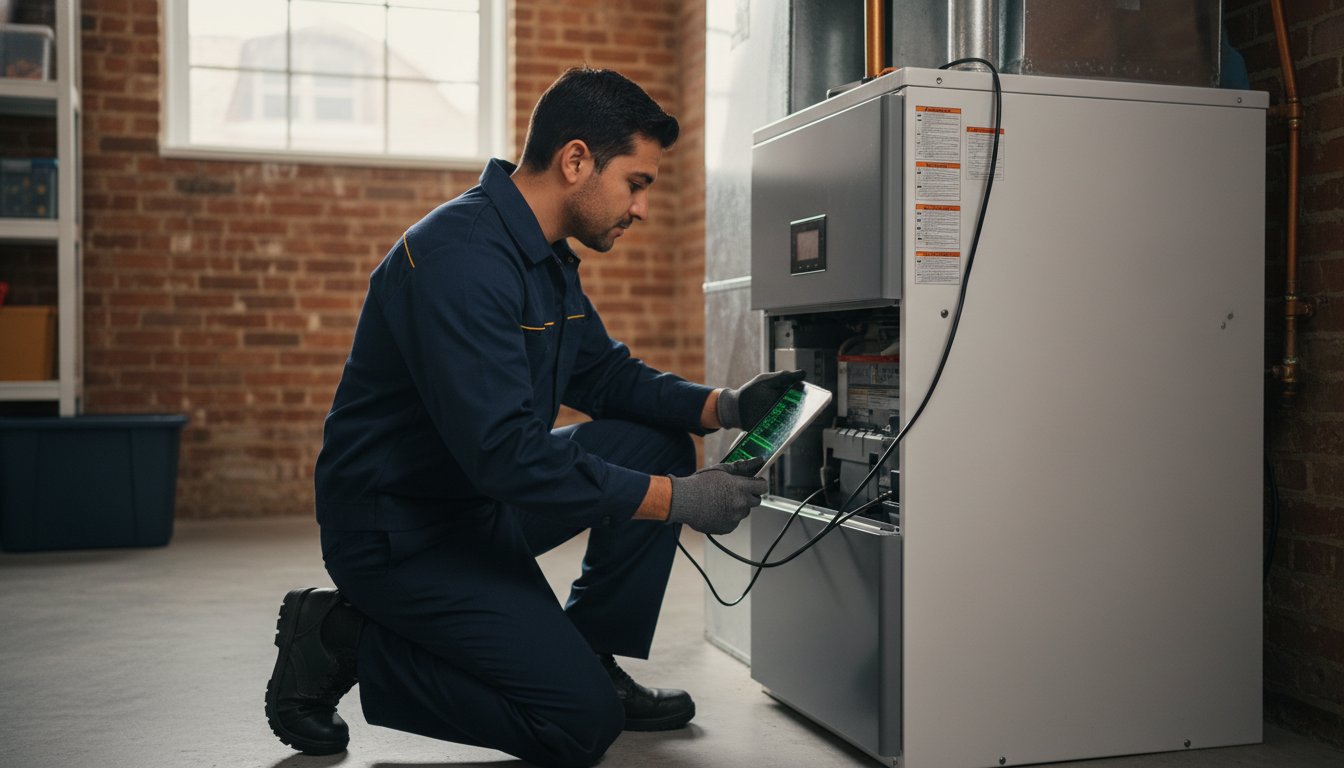
In the middle of a Chicago deep freeze, your HVAC system isn’t just a household appliance; it’s the only thing standing between your family and a dangerous sub-zero reality. If you’re looking for hvac maintenance for energy efficiency Chicago, you’re likely tired of unpredictable utility bills and uneven temperatures in older buildings. Most local homeowners view seasonal service as an optional chore, yet it’s actually the most effective way to protect your comfort and your budget simultaneously.
This guide demonstrates how strategic maintenance can slash your monthly costs and extend the life of your equipment in 2026. By treating your system to professional precision rather than reactive fixes, you can avoid expensive emergency fees and ensure peak performance. We will walk through the latest ComEd and Nicor Gas rebates available this year, the impact of new refrigerant regulations, and the specific steps that keep your home a reliable sanctuary regardless of the lakefront winds.
Key Takeaways
- Establish a precise seasonal schedule for your heating and cooling systems to ensure they are prepared for the lakefront’s unpredictable climate.
- Discover how routine hvac maintenance for energy efficiency Chicago reduces internal mechanical friction and prevents your utility bills from spiking during peak seasons.
- Identify which high-impact maintenance tasks you can handle yourself and when it is critical to call in a professional to avoid safety risks or system damage.
- Learn how to leverage smart thermostats and building automation to maintain real-time efficiency and comfort throughout the 2026 season.
- Gain peace of mind by understanding how professional system optimization prevents emergency failures and extends the total lifespan of your investment.
The Link Between HVAC Maintenance and Energy Efficiency in Chicago
Efficiency in Chicago isn’t just a rating on a yellow sticker; it’s a measure of how well your equipment survives the city’s punishing seasonal shifts. When we discuss hvac maintenance for energy efficiency Chicago, we are looking at the system’s ability to convert fuel or electricity into comfort without wasting resources. Over time, mechanical friction and dust accumulation create “drag.” This forces your furnace or air conditioner to run longer cycles to reach the same temperature. By the time you notice a spike in your ComEd or Nicor Gas bill, your system has likely been overworking for months.
The 2026 SEER2 (Seasonal Energy Efficiency Ratio 2) standards have raised the bar for modern cooling equipment. These regulations ensure that new units meet higher testing pressures, but even the most advanced system will fail to meet its rated efficiency if it isn’t maintained. Consistent care isn’t just about the monthly utility cost. It’s a strategic investment in system longevity. A well-tuned machine experiences less thermal stress on its heat exchanger and less electrical strain on its motors, preventing the premature wear that leads to a total system replacement.
How Chicago’s Climate Affects System Efficiency
Chicago’s geography creates a unique set of challenges for HVAC systems. During a “Deep Freeze,” the temperature differential between your home and the outdoors is massive. This forces heating systems to work at maximum capacity for hours. Additionally, summer humidity levels in Illinois can be oppressive. Your AC must work twice as hard to remove moisture before it can effectively lower the air temperature. Near the shoreline, Lake Michigan’s moisture can even accelerate component corrosion, particularly on outdoor condenser coils, which directly impedes heat transfer.
Measuring Your System’s Performance
Understanding your equipment’s performance starts with its AFUE (Annual Fuel Utilization Efficiency) and SEER2 ratings. A high-efficiency furnace might have a 95% AFUE, meaning only 5% of the fuel is lost. However, if your airflow is restricted by a clogged filter or dirty blower wheel, that efficiency can drop by 15% to 20% before the system actually fails. You might notice longer run times or uneven heating in different rooms. Monitoring these subtle changes allows you to address hvac maintenance for energy efficiency Chicago before a minor efficiency loss turns into a costly emergency repair.
A Step-by-Step Maintenance Checklist for Maximum Efficiency
Chicago’s climate doesn’t offer much room for error. To uphold hvac maintenance for energy efficiency Chicago, you’ve got to stay ahead of the weather. We recommend a strict seasonal schedule: Spring for cooling and Fall for heating. This timing ensures your system isn’t fighting against accumulated dust or mechanical friction when the first 90-degree day or sub-zero night hits. A proactive approach transforms your HVAC system from a source of anxiety into a reliable, invisible partner in your home comfort.
Airflow is the engine of efficiency. When filters are clogged or older Chicago ductwork is obstructed, your system works harder to move the same volume of air. This increased static pressure leads to higher energy consumption and premature motor failure. Lubrication of moving parts is another often overlooked factor. In many local residences, motors that haven’t been oiled can draw significantly more amperage, adding hidden costs to your monthly statement. Beyond filters, cleaning the “core” components like evaporator and condenser coils is vital. These parts act as the heat exchange interface. When they’re coated in grime, they become energy vampires that drive up costs while providing less comfort.
Spring and Summer: AC Efficiency Steps
Start with the outdoor unit. Chicago’s cottonwood trees can coat a condenser in a matter of days, choking off the air needed for cooling. Clearing debris is essential for proper heat exchange. The U.S. Department of Energy emphasizes that regular maintenance of your air conditioner can significantly lower energy use. Checking refrigerant levels is equally critical. A small leak doesn’t just stop cooling; it forces the compressor to run longer, which destroys the system’s SEER2 efficiency and puts your equipment at risk of a total breakdown during a heatwave.
Fall and Winter: Heating System Optimization
Winter prep focuses on safety and precision. Inspecting the heat exchanger for cracks is a non-negotiable step to prevent carbon monoxide leaks and ensure complete combustion. We also test the igniter or pilot light to ensure efficient firing. Testing the gas pressure is another vital step for furnace efficiency. If the pressure is too high, you’re wasting fuel; if it’s too low, the system won’t reach the target temperature, leading to constant operation. For homeowners with specialized needs, our team provides expert boiler maintenance and repair to keep older Chicago properties warm and efficient all winter long.

DIY vs. Professional Maintenance: Finding the Balance
Maintaining a home in the Windy City requires a steady partnership between the resident and a seasoned technician. While many homeowners are eager to handle tasks themselves, it’s vital to distinguish between basic upkeep and technical calibration. Striking this balance is the most effective way to manage hvac maintenance for energy efficiency Chicago. You can handle the frequent, low-risk chores that keep air moving, while leaving the complex mechanical adjustments to those with the specialized tools and experience to do them safely.
The “Danger Zone” in HVAC care begins when you move past the air filter and start opening the equipment cabinets. High-voltage electrical components and pressurized refrigerant lines aren’t just complex; they’re hazardous. Attempting to service these without professional training can lead to system damage, voided warranties, or personal injury. A professional diagnostic report provides a roadmap for your home’s energy future, identifying worn components before they cause a mid-winter breakdown. This expert oversight ensures your system operates at its peak designed efficiency rather than just “getting by.”
Monthly DIY Tasks for Energy Savings
The most impactful task you can perform is the 30-day filter check. In Chicago’s dusty environment, a clogged filter is the leading cause of restricted airflow. We recommend selecting a MERV rating between 8 and 11; this provides a balance of high-quality filtration without creating excessive resistance for your blower motor. Additionally, walk through your home to ensure that furniture, rugs, or drapes aren’t obstructing your vents and registers. Finally, get into the habit of monitoring your monthly utility statements. A sudden, unexplained spike in usage is often the first sign that your system is struggling with an internal mechanical issue.
Why You Need a Professional Tune-Up
Professional precision is required for tasks that directly impact the physics of heat exchange. Technicians use specialized gauges to perform refrigerant pressure testing, a task that requires EPA certification and is critical for maintaining cooling efficiency. We also focus on tightening electrical connections; loose wires create resistance, which wastes energy and poses a significant fire hazard. Another vital professional step is cleaning the condensate drain line. Chicago’s high summer humidity can lead to algae growth in these lines, causing backups that trigger system shutdowns and reduce your unit’s ability to dehumidify your living space effectively.
Advanced Energy Optimization Strategies for Chicago Properties
Achieving true efficiency requires looking beyond the mechanical unit to the entire building ecosystem. While routine cleaning is the baseline, advanced hvac maintenance for energy efficiency Chicago involves fine-tuning how your equipment interacts with your home’s specific architecture. Multi-story Chicago residences often face thermal imbalances where the upper floors stay warm while the lower levels remain chilled. System balancing through damper adjustments and blower speed calibration ensures that conditioned air is distributed evenly. This prevents your system from running longer cycles just to satisfy a single poorly reached room.
Addressing the building envelope is just as critical as the machinery itself. If your insulation is degraded or your ductwork is compromised, your HVAC system will struggle to maintain setpoints regardless of its SEER2 rating. By optimizing the path the air takes, you reduce the total load on your equipment. This holistic approach doesn’t just lower your monthly utility costs; it significantly reduces the mechanical stress on your motors and compressors, which is the primary driver of long-term reliability in our harsh climate. The same principles of precise airflow control and mechanical integration that govern residential efficiency are also central to cleanroom construction, where HVAC systems can account for up to 40% of total project costs.
Smart Thermostats and Building Automation
Modern smart technology has moved beyond simple scheduling to include features like adaptive recovery. This allows your system to learn exactly how long it takes to reach a target temperature based on current outdoor conditions. It’s an essential tool for Chicago’s fluctuating weather, preventing the system from overshooting its goal and wasting energy. For larger residential or commercial properties, Building Automation Systems offer a high-level view of energy consumption. These platforms use real-time data to pinpoint exactly when components are losing efficiency, allowing for a proactive response before a minor drift becomes an expensive repair.
The Impact of Air Duct Sealing
The most efficient furnace or air conditioner can’t perform at its peak if the distribution network is failing. Research from the Department of Energy indicates that leaky ducts can waste up to 30% of conditioned air, often dumping it into wall cavities or unconditioned attic spaces. Common signs of efficiency loss in Chicago homes include whistling sounds from vents or rooms that feel chronically drafty. Professional air duct repair is a key strategy to ensure that the air you’ve paid to heat or cool actually reaches its destination. If you’re ready to take a comprehensive approach to your home’s comfort, our Design-Build Construction Services can help integrate these advanced energy-saving measures into your property’s infrastructure.
The MEMASO Advantage: Professional Maintenance in Chicagoland
Mechanical Management & Design Solutions (MEMASO) approaches hvac maintenance for energy efficiency Chicago with the technical rigor of a seasoned consultant and the personal touch of a neighborly expert. Our team understands that a home is a complex network of interdependent systems. This is why we combine deep expertise in HVAC with specialized Emergency Electrical Services and Commercial Plumbing Maintenance to ensure total building health. Our professionals are intimately familiar with Chicago’s specific building codes and the unique stresses our weather puts on mechanical infrastructure. We provide the reliability you need to ensure your efficiency doesn’t fail when the lakefront winds are at their worst.
Our process moves from a broad promise of quality to a methodical restoration of your system’s peak performance. By identifying high-resistance electrical connections or aging components, we lower your anxiety regarding complex mechanical failures. We don’t just fix what’s broken; we consult on how to optimize your entire property. This might involve Electrical Panel Upgrades to support modern, high-efficiency equipment or a complete Heating replacement / installation for systems that have reached the end of their functional service life.
Tailored Maintenance Plans for Every Season
A MEMASO professional energy-efficiency audit goes beyond a simple filter change. We examine the entire system for mechanical drag, airflow obstructions, and electrical waste. For those with older hydronic systems, our expert Boiler Maintenance and Repair ensures even heating without the common efficiency losses found in neglected units. We also specialize in the transition to home electrification, offering high-efficiency Heat Pump Installation and Air Conditioning Replacement / Installation. We proudly serve homeowners across the North Shore, including Northbrook, Skokie, and Wilmette, tailoring our strategies to the specific architectural styles and climate needs of these local communities.
Ready to Lower Your Energy Bills?
Lowering your utility costs starts with a commitment to high-performance mechanical care. When your system is optimized by a seasoned professional, you gain the peace of mind that comes from knowing your home is a reliable sanctuary. A well-maintained system doesn’t just save money; it provides superior indoor comfort and protects your long-term investment in 2026 and beyond. We invite you to get started with a professional efficiency consultation to identify your property’s specific opportunities for savings. Schedule your energy-efficiency HVAC maintenance with MEMASO today!
Secure Your Home’s Efficiency for the Seasons Ahead
Proactive hvac maintenance for energy efficiency Chicago is the most effective way to regain control over your utility bills and ensure your system survives the city’s extreme temperature swings. By combining monthly DIY habits with professional calibration, you can significantly reduce mechanical drag and prevent the premature wear that leads to expensive replacements. As we move through 2026, staying ahead of performance standards and leveraging smart technology will be the difference between a home that struggles and one that provides consistent, cost-effective comfort.
Mechanical Management & Design Solutions has been serving Chicago and its suburbs since 2000. As certified SEER2 efficiency experts, we provide the technical precision and 24/7 emergency support your family deserves. Don’t wait for a deep freeze or a heatwave to discover your system’s inefficiencies. Optimize your home’s energy efficiency with MEMASO’s professional HVAC maintenance. You’ve worked hard to build your sanctuary; let’s work together to keep it efficient and reliable all year long.
Frequently Asked Questions
How often should I schedule HVAC maintenance for the best energy efficiency?
You should schedule professional service twice each year to ensure optimal hvac maintenance for energy efficiency Chicago. We recommend a spring visit for your air conditioner and a fall visit for your heating system. This cadence allows a technician to address seasonal wear before the peak demand of an Illinois winter or summer.
Can a dirty air filter really increase my energy bills?
A dirty air filter is a leading cause of spiked utility costs. When debris restricts airflow, your blower motor must draw more amperage to move air through the system. This increased static pressure doesn’t just waste energy; it also puts unnecessary thermal stress on your mechanical components.
What is a good SEER2 rating for a home in Chicago in 2026?
A SEER2 rating of 15 or higher is currently a strong benchmark for energy savings in Chicago residential properties. While new federal minimums have increased the baseline for efficiency, choosing a higher rating often qualifies you for substantial utility rebates. For example, ComEd offers tiered incentives for high-efficiency heat pumps that can significantly offset your initial investment.
Is it worth repairing an old HVAC system to improve efficiency, or should I replace it?
The decision often comes down to the age of the unit and the type of refrigerant it uses. If your system is over 12 years old and relies on R-410A, a replacement might be more cost-effective than a major repair. Newer systems meet the latest 2026 efficiency standards and use eco-friendly refrigerants that are more readily available for future servicing.
How much can I save on my energy bill with regular HVAC maintenance?
While exact savings depend on your home’s insulation and usage habits, some industry professionals report that regular hvac maintenance for energy efficiency Chicago can reduce monthly costs by up to 15 percent. Keeping your coils clean and your motors lubricated prevents the gradual efficiency drift that happens to neglected equipment.
What are the signs that my HVAC system is running inefficiently?
Uneven temperatures between rooms and short cycling are common indicators of a struggling system. If your furnace or AC turns on and off frequently without reaching the thermostat’s setpoint, it’s consuming excess energy during the startup phase. You should also watch for unexplained increases in your monthly gas or electric statements.
Do smart thermostats really help with energy efficiency in Chicago’s climate?
Smart thermostats are highly effective in Chicago because they adapt to our rapid weather shifts. These devices use algorithms to learn your home’s thermal profile, ensuring your system doesn’t overshoot its target. Many ComEd customers can even receive a rebate of up to $75 for installing a qualifying ENERGY STAR certified model through the end of 2026.
What happens if I skip professional maintenance for a year?
Skipping a year of service often leads to a measurable drop in system performance and a higher risk of emergency failure. Dust buildup on the evaporator coil reduces heat transfer, forcing the compressor to run longer. Many manufacturers also require annual professional maintenance to keep your equipment’s limited warranty in good standing.